November 9, 2026
Unexpected Ingredients That Taste Amazing on a Hot Dog
By @chancexyah039
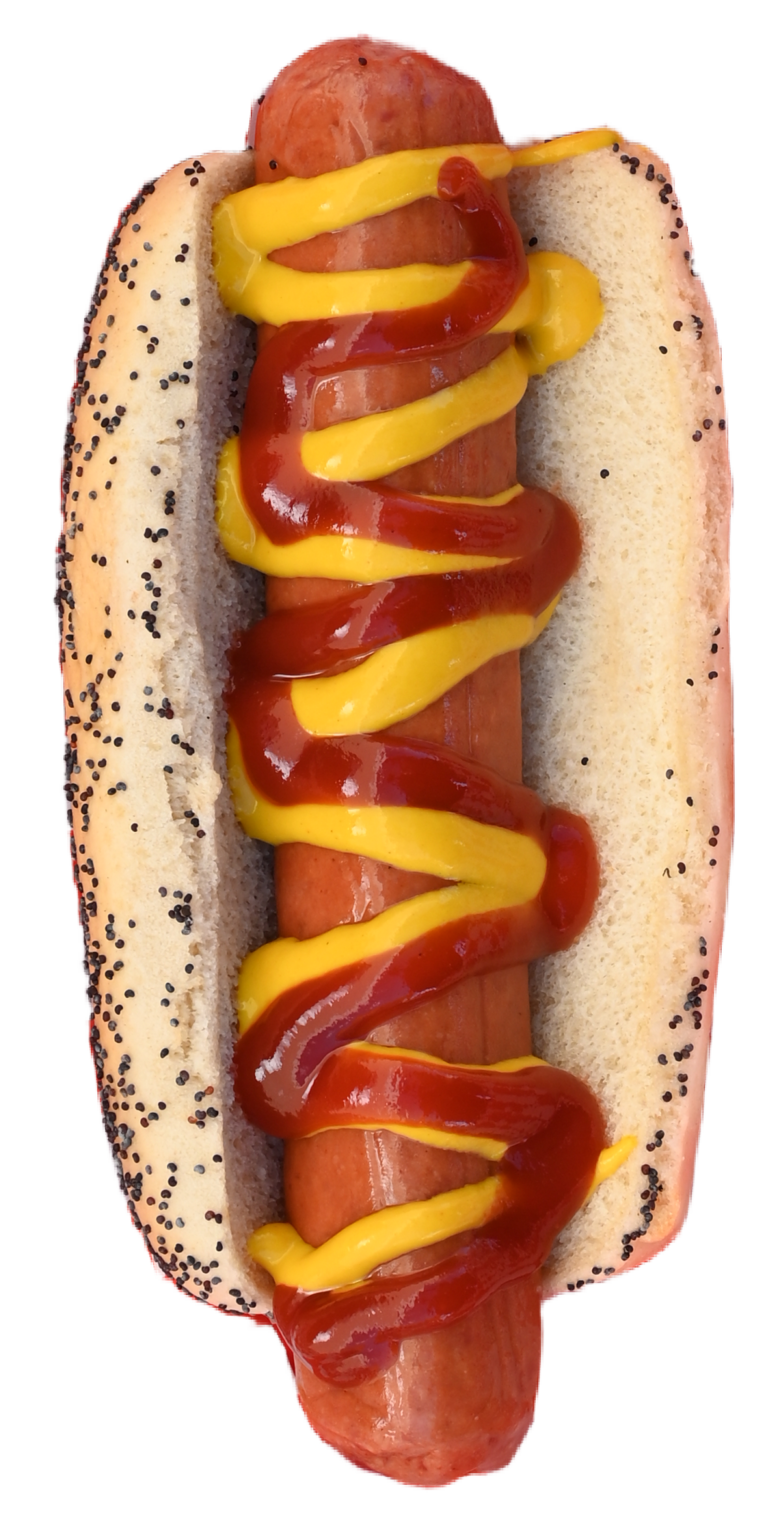


A hot dog is one of the most forgiving things you can cook. That is part of its charm. It asks very little of the cook, yet it leaves room for real judgment. The sausage itself brings salt, fat, smoke, and snap. The bun adds softness and a little sweetness. Once those two pieces are in place, the toppings decide whether the whole thing feels ordinary, nostalgic, sharp, rich, messy, or genuinely memorable.
Most people stop at mustard, ketchup, relish, onions, or chili. There is nothing wrong with any of those. They work because they hit the major notes a hot dog needs: acid, sweetness, crunch, and moisture. But once you understand that balance, a much wider set of ingredients starts to make sense. Some of the best hot dog toppings are the ones that sound odd at first and then feel obvious after the first bite.
The trick is not novelty for novelty’s sake. A strange topping that ignores texture or overwhelms the sausage usually tastes like a dare. A smart unexpected topping behaves like a good condiment. It adds contrast, fills a gap, or changes the rhythm of each bite. That is why a spoonful of kimchi can make more sense on a hot dog than a heavy blanket of shredded cheese. One wakes the whole thing up. The other can turn it stodgy if you are not careful.
What a hot dog actually needs
Before getting into specific ingredients, it helps to think like a cook instead of a collector of toppings. A hot dog is rich and salty. Most store-bought franks, whether all-beef, pork, or mixed, already lean heavily into umami. That means the best additions usually do one of four jobs. They cut the fat with acid, bring sweetness that feels deliberate rather than sticky, add crisp or juicy texture, or contribute another savory layer that does not bury the dog itself.
This is why some combinations fail even when each ingredient tastes good on its own. Creamy avocado, melted cheese sauce, bacon, and mayo might all sound appealing, but on the same bun they can collapse into softness and grease. On the other hand, pickled fruit, crisp fried shallots, and a streak of spicy mustard can make a basic hot dog taste sharper, cleaner, and more expensive than it is.
Years of cooking for backyard groups taught me that the winning toppings are often the ones with restraint. People remember contrast more than abundance. A hot dog with one unusual ingredient used with confidence usually lands better than a hot dog piled with seven things.
Fruit has a place here, especially the tart kind
Fruit scares people when they think of savory food, but it should not. Pineapple, mango, apple, and even grapes can work beautifully on a hot dog if they are handled properly. The key is to avoid raw sweetness with no counterweight.
Grilled pineapple is one of the easiest examples. The heat caramelizes the sugars, drives off some excess moisture, and gives the fruit enough structure to sit on the sausage instead of sliding around. Paired with jalapeño and mustard, it tastes balanced rather than tropical for the sake of it. The hot dog still reads as the center of the dish, but the pineapple lifts the whole bite.
Apple is even more versatile. Thin slices of tart green apple, cut into matchsticks or a quick slaw, bring crunch and clean acidity. They work especially well with bratwurst-style hot dogs or any frank that leans smoky. If you have ever had pork with apples and thought the pairing made sense, you already understand why this works.
Mango can be excellent too, but it needs help. On its own it tends to be too soft and too sweet. Turn it into a rough salsa with lime, chile, and a little red onion, and it suddenly belongs. You get brightness, juice, and a touch of heat. That combination does for a hot dog what a fresh relish should do, but with more personality.
Even grapes can surprise you. Chopped green grapes mixed with celery and a spoonful of sharp mustard create a crunchy, sweet-savory topping that plays especially well with lightly grilled dogs. It sounds unlikely, yet the effect is close to a dressed chicken salad without the heaviness.
Fermented toppings do more than add tang
Few ingredients improve a hot dog as quickly as something fermented. Sauerkraut has always proved that point, but it is only the beginning. Kimchi, pickled mustard greens, preserved lemons, and even a carefully chosen pickle brine slaw can all do the same job with different accents.
Kimchi is probably the best-known step beyond sauerkraut, and for good reason. It brings acid, heat, garlic, and crunch in one spoonful. The mistake people make is piling it on straight from the jar without draining it. Too much liquid soaks the bun and muddies the flavors. A quick chop and a light squeeze solve that problem. On a beef hot dog with a little mayo or mustard, kimchi feels less like a stunt and more like a missing category.
Preserved lemon is more niche, but it is exceptional when used sparingly. Finely minced preserved lemon peel folded into diced onions gives the hot dog a fragrant, saline brightness that cuts straight through fatty sausage. You do not need much. In fact, too much will dominate. But a little can make a grilled dog taste remarkably fresh.
Pickled green tomatoes deserve more attention too. They offer the acidity of a pickle with firmer texture and a gentler sweetness. Chopped with herbs and a few chili flakes, they become a relish with more backbone than the standard jarred kind.
Crunch matters more than people think
Most disappointing hot dogs share one flaw. They are too soft. Soft bun, soft sausage, soft toppings, maybe a little melted cheese, and no resistance anywhere. Even if the flavors are fine, the experience gets dull halfway through.
That is why crisp toppings often feel more dramatic than rich ones. Fried shallots are excellent here. They add crunch, sweetness, and a hint of bitterness from the browning. Crispy onions from a can work in a pinch, but freshly fried shallots have a cleaner taste and shatter more delicately. They are especially good with spicy brown mustard and something slightly sweet underneath, such as a jammy onion layer.
Crushed potato chips are another sleeper hit. Not every chip works. Barbecue chips can be too loud, and heavily flavored sour cream varieties tend to clash. Plain salted, kettle-cooked, or salt-and-vinegar chips are better bets. They add crunch and salinity with almost no prep. On a chili dog, they can rescue the texture completely.
Toasted seeds can also do more than expected. Sesame seeds are common on buns, but pumpkin seeds or sunflower seeds, lightly salted and coarsely chopped, bring a nuttier, more substantial crunch. They pair particularly well with avocado-based toppings or charred corn relishes.
One of the simplest upgrades I have seen at cookouts is a spoonful of chopped celery dressed in lemon juice and black pepper. It sounds plain, and that is exactly why it works. Celery https://zandertyit090.talesignal.com/posts/how-to-create-a-classic-ballpark-hot-dog-experience keeps biting back. It keeps the hot dog from turning into mush.
Creamy ingredients can work, but they need tension
There is always room for something creamy on a hot dog. The danger is excess. A rich topping without acid or spice can flatten everything around it. Still, when handled with discipline, creamy ingredients can make a hot dog feel luxurious.
Avocado is the obvious candidate. Used in slices, it often disappears texturally. Mashed with lime, salt, and a little jalapeño, it becomes something more useful: a cool, fatty spread that acts like a cushion for sharper toppings. Pair it with pickled onions, not more soft ingredients, and it starts to make sense.
Labneh is another strong option. It has the body of cream cheese but a cleaner tang. Spread thinly on the bun, it anchors crisp vegetables and grilled sausages beautifully. Add chopped herbs and a touch of harissa, and the hot dog suddenly has depth without heaviness.
Peanut sauce sounds odd until you think about satay. A hot dog has enough smoke and fat to stand in for grilled meat skewers surprisingly well. The trick is to use a loosened peanut sauce, not a thick peanut butter paste. Add cucumber, cilantro, and a splash of lime, and the result is bold but coherent. This is one of those combinations that sounds like it should not work, then disappears fast at parties.
Blue cheese, used sparingly, can also be excellent. Too much turns the whole thing aggressive. Just a crumble or two with caramelized onions and a tart apple slaw can make a beef hot dog feel almost steakhouse-adjacent. It is not an everyday move, but it has range.
Unexpected sweet ingredients that earn their keep
People often assume sweetness on a hot dog means ketchup, sweet relish, or maybe barbecue sauce. But a more focused sweet element can do a lot more.
Hot honey is the easiest example. It gives sweetness, heat, and gloss without the bluntness of plain sugar. On a grilled dog with mustard and charred peppers, a light drizzle ties everything together. The important word is light. A hot dog should not taste like dessert.
Fig jam sounds fancy, but in practice it behaves a lot like onion jam with better fruit notes. It is excellent with blue cheese, arugula, and a deeply browned sausage. Apricot preserves, especially if loosened with vinegar and chile flakes, can do a similar job with more brightness.
Candied jalapeños are another smart crossover ingredient. They bring sugar, heat, and texture in one shot. Against a smoky hot dog and sharp mustard, they create a sweet-spicy balance that feels deliberate rather than gimmicky.
The same logic applies to roasted grapes. They collapse, concentrate, and pick up savory depth in the oven. Split them over a hot dog with thyme and a swipe of mustard, and you get little bursts of sweetness that feel more grown-up than relish.
Ingredients from the breakfast table
Breakfast flavors often pair well with sausage, so it should not be surprising that some breakfast ingredients shine on a hot dog too. What matters is scale. You want a nod to breakfast, not a full diner plate stuffed into a bun.
A small spoonful of maple mustard is one of the best examples. Maple syrup alone would be cloying, but folded into grainy mustard, it becomes rounded and complex. This is especially good with pork hot dogs or sausages that carry sage or black pepper.
Hash browns can work too, though they need to be crisp. A ragged strip of well-browned shredded potato adds texture and comfort without making the hot dog feel heavy. Soft breakfast potatoes, by contrast, are almost always a mistake.
A fried egg is possible, but only if you accept that the whole thing becomes a knife-and-fork situation. For casual eating, chopped jammy egg dressed with a little vinegar works better. It gives richness and sulfurous depth in a more manageable form.
One topping I did not expect to like the first time I tried it was a spoonful of coffee-onion jam. The coffee does not make the hot dog taste like breakfast. It deepens the onions and adds a faint bitterness that plays well with char. Used carefully, it is excellent.
A few pairings worth trying first
If you are curious but do not want to improvise from scratch, these combinations have a strong chance of succeeding:
- Kimchi, kewpie-style mayo, and scallions on a beef hot dog
- Grilled pineapple, jalapeño, and yellow mustard on a smoky pork dog
- Labneh, chopped cucumber, mint, and a little harissa on a grilled frank
- Apple slaw, blue cheese crumbles, and caramelized onions on an all-beef dog
- Peanut sauce, cilantro, and quick-pickled cucumber on a charred hot dog
These work because each one balances fat with acidity, softness with crunch, and familiarity with surprise. None of them depend on a novelty ingredient doing all the work.
The bun is not neutral
People talk about toppings as if the bun were just packaging, but the bun can make or break unusual combinations. A soft supermarket bun is fine for classic mustard and relish. It is less ideal when you introduce juicy fruit, saucy ferments, or creamy spreads.
For wetter toppings, a sturdier bun helps. Toasting the interior gives you insurance against sogginess and adds needed texture. Some cooks brush the bun with butter before toasting. That can be delicious, but if your topping is already rich, dry toasting may be the smarter move. I often toast first, then add a thin layer of mustard or labneh directly to the bun as a moisture barrier.
Size matters too. Oversized buns encourage overloading. A good hot dog should be easy to pick up and easy to finish. Once a topping strategy requires structural engineering, it has gone too far.
What usually goes wrong
The most common mistake with unexpected toppings is chasing shock value. A hot dog topped with caviar, truffle oil, and gold leaf might get photographed, but that does not mean it is well composed. Expensive ingredients are not the point. Contrast is.
Another frequent problem is poor moisture control. Tomatoes, pickles, kimchi, fruit salsa, and slaws all release liquid. If you pile them on thoughtlessly, the bun gives out before the second bite. Draining, chopping, and dressing toppings just before serving makes a big difference.
Temperature can also throw things off. Ice-cold toppings on a barely warm sausage mute flavor. That does not mean everything should be hot, but it does mean you should think about the whole bite. A warm dog with room-temperature relishes and cool creamy accents tends to taste more integrated than a hot dog straight from the grill buried under refrigerator-cold toppings.
This is also where restraint matters. One unusual ingredient is intriguing. Three can be inspired. Six often become noise.
How to experiment without wasting a cookout
The easiest way to test new hot dog toppings is to think in terms of roles instead of recipes. Pick one item to bring acid, one to bring texture, and one to bring richness or sweetness if needed. From there, taste and adjust.
A simple way to do that is:
- Start with the sausage and bun you already like
- Add one sharp element, such as kimchi, pickled apple, or mustard
- Add one textural element, such as fried shallots or chopped celery
- Finish with one unifying accent, such as labneh, hot honey, or peanut sauce
That framework keeps the hot dog coherent. It also prevents the common mistake of adding multiple ingredients that all do the same thing. If you already have kimchi, pickles, and mustard, you probably do not need another acidic topping. If you have avocado and mayo, you likely need crunch, not more creaminess.
Why these combinations stick
Unexpected hot dog toppings succeed for the same reason good cooking succeeds anywhere else. They respect the base ingredient while making it more complete. A hot dog is humble food, but it responds well to the same thinking you would apply to a composed sandwich, a taco, or a plate of grilled meat. It wants contrast. It wants seasoning. It wants a little surprise, as long as the surprise has a job to do.
That is why some of the best toppings come from outside the usual hot dog universe. Ferments wake it up. Fruit sharpens and sweetens it. Crunchy toppings restore structure. Creamy ingredients, used judiciously, round off the edges. Even breakfast flavors can slip in if they support the sausage rather than smother it.
The payoff is immediate. A familiar backyard staple starts tasting more intentional. It feels less like default party food and more like something chosen, built, and worth talking about. And that is really the pleasure of experimenting with a hot dog. The stakes are low, the results are fast, and when a strange ingredient clicks into place, it feels obvious in the most satisfying way.
Under Construction Hot Dogs
1225 W U.S. Hwy 50, Pueblo, CO 81008
FAQ About hot dog
What are different types of hotdogs?
Under Construction Hot Dogs offers a classic all-beef hot dog, a quarter-pound Jumbo Dog, a Chili Dog, and a Chicago Dog, along with brats and a Spicy Link.
What does a chili dog have on it?
Our Chili Dog pairs a Vienna all-beef hot dog with chili, shredded cheddar cheese, and finely diced onions.
What is in a traditional Chicago dog?
Our Chicago Dog comes on a steamed poppy seed bun with yellow mustard, bright green relish, onions, tomato wedges, a pickle spear, sport peppers, and celery salt.
❧